
Beaches in USA vs Saudi Arabia: A Comparison

Beaches in the United States and Saudi Arabia offer contrasting experiences that reflect their unique geographies, cultures, and tourism industries. This post explores the appeal of beaches in both countries, their economic impact, and how they cater to visitors.
The Allure of American Beaches
1. Diverse Landscapes
The U.S. boasts an incredibly
diverse range of beaches, each offering something unique:
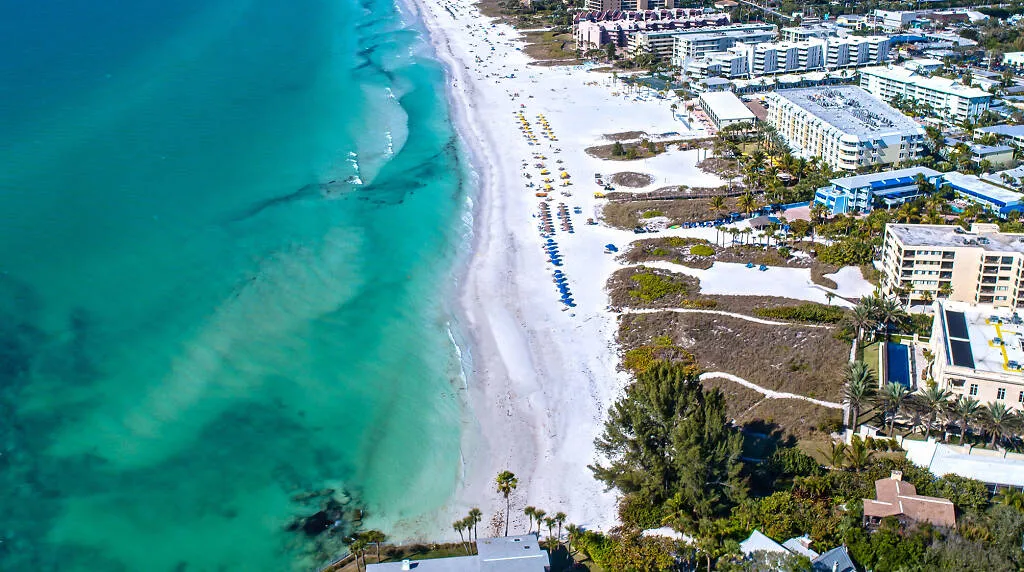
- Florida: Known for its soft white
sands and warm waters, places like Miami Beach and Clearwater Beach are
synonymous with tropical vacations.
- California: Famous for its iconic
surf culture, beaches like Malibu and Santa Monica offer scenic beauty and
vibrant activities.
- Hawaii: With volcanic origins,
Hawaiian beaches such as Waikīkī and Ka’anapali provide a blend of dramatic
landscapes and crystal-clear waters.
- East Coast: Historic beaches like
Cape Cod and the Outer Banks offer a quieter, family-friendly experience.
2. Activities for Everyone
American beaches are not just about
lounging in the sun. Visitors can enjoy a wide variety of activities:
- Water Sports: Surfing,
paddleboarding, jet skiing, and snorkeling are hugely popular.
- Family-Friendly Fun: Sandcastle
building, beach volleyball, and picnics make beaches an ideal spot for
families.
- Nature Exploration: Many beaches
have adjacent parks and trails, offering opportunities for hiking and wildlife
watching.
3. Cultural Significance
Beaches in the U.S. are cultural
icons. They have been immortalized in films, music, and literature, shaping how
the world perceives the American lifestyle. From the Beach Boys’ surf rock
anthems to Hollywood scenes set on sunny shores, beaches represent leisure,
freedom, and adventure.
The Unique Appeal of Saudi Arabian Beaches

1. Pristine Waters of the Red Sea
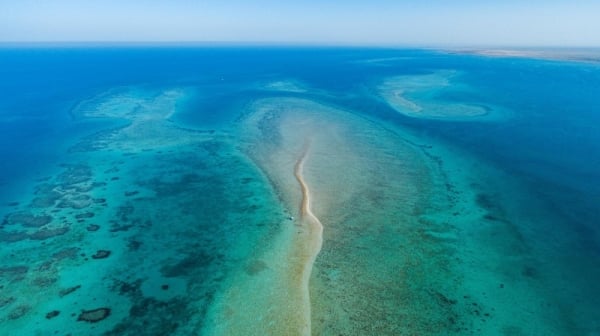
Saudi Arabia’s coastline along the
Red Sea is home to some of the most unspoiled beaches in the world:
- Jeddah: Known for its vibrant
coral reefs and clear waters, Jeddah’s beaches are popular for snorkeling and
diving.
- Neom Region: This emerging
destination features untouched beaches with futuristic developments underway.
- Farasan Islands: A haven for
eco-tourists, these islands offer a blend of pristine beaches and wildlife
sanctuaries.
2. Family-Oriented Atmosphere
Saudi beaches are designed with
families in mind, offering a more conservative environment:
- Private Beaches: Many resorts
provide private beaches where families can relax in comfort.
- Recreational Activities: While
water sports like diving and sailing are popular, activities are generally more
subdued compared to the U.S.
3. Cultural Sensitivity
Beach experiences in Saudi Arabia
reflect the country’s cultural and religious values:
- Dress Codes: Modesty is
emphasized, with specific attire guidelines for beachgoers.
- Gender-Segregated Areas: Some
beaches offer separate sections for men and women, ensuring privacy.
Economic Impact of Beach Tourism
In the United States:
- Tourism Revenue: Coastal tourism
contributes over $143 billion annually to the U.S. economy. Popular
destinations like Florida’s beaches attract over 120 million visitors each
year.
- Job Creation: From lifeguards to
hospitality staff, beach tourism supports millions of jobs.
- Real Estate: Beachfront properties
are among the most sought-after in the U.S., driving investments in residential
and commercial developments.
In Saudi Arabia:
- Emerging Sector: Beach tourism is
growing as part of Vision 2030, which aims to diversify the economy.
Investments in projects like the Red Sea Development are transforming the
coastline into a global destination.
- Luxury Tourism: High-end resorts
and exclusive beach clubs cater to affluent travelers, boosting the luxury
tourism market.
- Eco-Tourism: The focus on
sustainability, particularly in areas like the Farasan Islands, is drawing
environmentally conscious tourists.
Environmental Considerations
Shared Challenges:
Both countries face environmental
issues such as:
- Climate Change: Rising sea levels
and coastal erosion threaten beaches in both regions.
- Marine Pollution: Plastic waste
and over-tourism impact marine ecosystems.
Saudi Arabia:
- Conservation efforts focus on
protecting coral reefs and marine life in the Red Sea.
- Strict regulations ensure that new
developments prioritize sustainability.
United States:
- Community-led initiatives, such as
beach clean-ups, aim to preserve the natural beauty of coastal areas.
- State and federal programs support
the restoration of eroded shorelines.
Conclusion
Beaches in the U.S. and Saudi Arabia
reflect the diversity and richness of their respective cultures and
geographies. While American beaches are known for their vibrancy, cultural
significance, and variety of activities, Saudi beaches offer tranquility,
unspoiled beauty, and a family-oriented environment. Both nations are
leveraging their coastal assets to boost tourism while addressing environmental
concerns, ensuring their beaches remain treasures for future generations.


No comments